Finding Your Perfect Red Belly: A Buyer's Guide
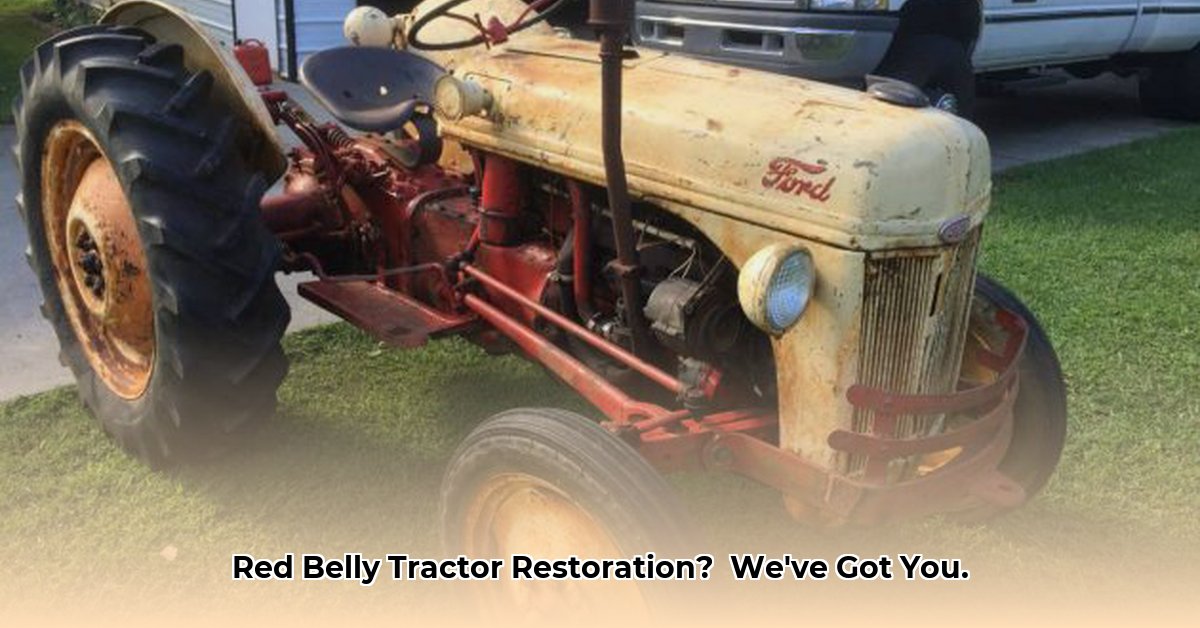
The Ford 8N, particularly the iconic "Red Belly" model, remains a highly sought-after classic tractor. Its enduring appeal stems from its robust design and historical significance. Before you embark on a restoration, securing the right tractor is crucial. The market offers a range of conditions and prices, making careful inspection paramount. Factors influencing value include the tractor's overall condition (rust, damage), completeness (presence of all original parts), and service history (documented maintenance). A well-preserved, complete 8N with a documented history commands significantly higher prices than a rusty, incomplete example. For additional Ford tractor resources, check out this helpful site: Ford Tractor Info.
When inspecting a potential purchase, prioritize a thorough assessment of the engine. Check compression levels; low compression indicates potential engine issues. Assess the extent of rust – surface rust differs significantly from deep corrosion. Examine the tractor's body for dents and damage. Verify the serial number to confirm its production date using reputable resources. This detailed inspection will strengthen your negotiating position. If unsure, seek a professional mechanic's opinion before committing to a purchase.
Don't hesitate to walk away from a deal that appears questionable. A careful inspection saves you potential financial headaches later. Remember, a well-maintained, documented 8N is a valuable investment. What are some common mistakes novice buyers make when purchasing a Ford 8N tractor?
The Cost of Restoration: Original vs. Reproduction Parts
A key decision in any restoration is the choice between original and reproduction parts. Original parts, while more expensive (e.g., an original engine block can cost $1500-$3000 versus $500-$1500 for a reproduction), generally offer superior quality and lifespan (10-15 years versus 5-10 years, respectively). Reproductions, while more budget-friendly initially, may require replacement sooner, potentially exceeding the original part's cost over time.
Consider this cost comparison (estimates vary by supplier and condition):
| Part Type | Original Part (Estimate) | Reproduction Part (Estimate) | Estimated Lifespan Difference |
|---|---|---|---|
| Engine Block | $1500 - $3000 | $500 - $1500 | 10-15 years |
| Carburetor | $500 - $1000 | $200 - $500 | 5-10 years |
| Hydraulic Pump | $700 - $1500 | $300 - $700 | 5-8 years |
This data highlights the trade-off between upfront cost and long-term value. While reproduction parts might seem appealing initially, the potential for shorter lifespans and increased maintenance costs warrants careful consideration. Many experts suggest that the higher initial investment in original parts ultimately proves more cost-effective and ensures a more authentic restoration. How do you balance cost and authenticity when choosing parts for your Ford 8N restoration?
Restoring Your Red Belly: A Step-by-Step Guide
Restoring a Ford 8N is a rewarding but meticulous process. Follow these steps for a successful restoration:
Disassembly (Thorough Documentation): Begin by taking comprehensive photographs and notes. Methodically disassemble the tractor, clearly labeling every component. This detailed record is essential for reassembly. "A picture is worth a thousand words," as the saying goes, and this is especially true during restoration.
Engine Overhaul (or Refresh): This stage is often the most demanding. A complete rebuild—including replacing piston rings, gaskets, and bearings—may be necessary, depending on the engine's condition. Alternatively, a thorough cleaning and replacement of critical components might suffice for a less worn engine. A comprehensive engine inspection is advisable to identify and address any leaks, loose components or damaged parts requiring replacement.
Bodywork (Rust Removal and Repair): Rust is a primary concern. Professional media blasting is recommended for significant rust damage, effectively removing rust without compromising the underlying metal. Address dents using body filler and sanding for a smooth finish.
Reassembly (Precision is Key): Carefully reassemble the tractor using your detailed documentation. Meticulous attention to detail is vital at this stage.
Painting (Authenticity and Finish): Apply multiple thin coats of paint for a consistent, high-quality finish. If aiming for authenticity, research the correct paint code for your tractor's year of manufacture. A professional paint job can significantly enhance the final result; how many coats of paint are typically recommended for a professional finish on a Ford 8N?
Keeping Your Restored Red Belly Running Smoothly
Maintaining your restored 8N is crucial for its longevity. Regularly check vital fluids (oil, coolant, hydraulic fluid), change the oil according to the manufacturer's recommendations, and keep the tractor clean. Learning basic troubleshooting skills will allow you to address minor issues promptly. For frequent use, a comprehensive mechanical checkup is recommended to address potential safety concerns. "Prevention is always better than cure," and regular maintenance is key to prolonging the life of your restored tractor. How often should you change the oil in a restored Ford 8N?
Resources for Your Restoration Journey
Numerous online forums and parts suppliers can aid your restoration journey. These communities offer valuable advice, tips, and support from experienced restorers. Local vintage equipment repair shops can also serve as invaluable resources, providing guidance and assistance during the project. Websites such as just8ns.com provide useful information.
Restoring a Ford 8N Red Belly is a challenging yet highly rewarding project. The satisfaction of resurrecting this classic machine is immeasurable. While the process demands patience and skill, the final result—a beautifully restored piece of agricultural history—makes the effort entirely worthwhile.